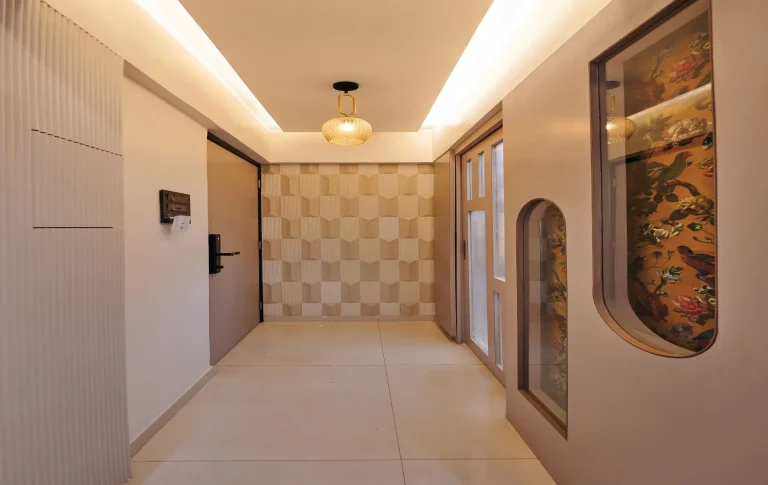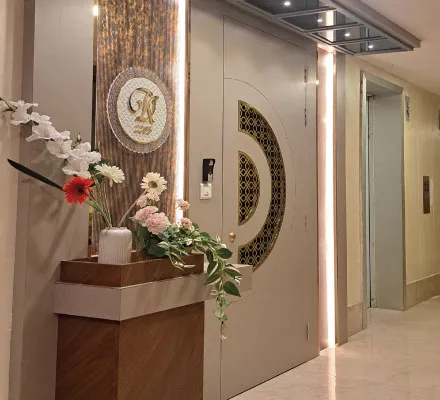
Here is a 2026 reality: search demand for natural home decor, plant walls, eco-friendly interiors, and airy spaces has surged, making biophilic design one of the year's strongest directions — and nowhere is the craving stronger than in Mumbai, where most of us live far from green. Biophilic design simply means designing homes that connect you to nature: plants, natural materials, daylight, and fresh air. Here is how to do it in a compact city flat, practically and affordably
Why Biophilic Design Is Booming in 2026
Homes have shifted from being just functional to being wellness sanctuaries — buyers increasingly want spaces that feel refreshing, calming, and health-supporting. Add Mumbai's concrete density and postpandemic work-from-home life, and the desire to bring nature indoors becomes obvious. Bonus: sustainable, nature-connected interiors also increasingly support resale and rental appeal in metro markets.
The 5 Pillars — Adapted for Mumbai Flats
Plants That Actually Survive Indian Flats
Start with forgiving species: areca palm, snake plant, money plant, ZZ plant, and peace lily handle indoor
light and irregular watering. A cluster of 3–5 planters in the living room beats single plants scattered
everywhere. For balconies, layered vertical planters create a green wall effect in two feet of depth.
Natural Materials & Textures
Bamboo, cane, rattan, reclaimed or solid wood, jute, and natural stone are the defining material palette
of 2026. Practical Mumbai translation: cane-front wardrobe shutters, a jute rug, wood-tone laminates,
and a stone-finish feature wall — natural character without maintenance-heavy materials
Maximise Natural Light & Air
The cheapest biophilic upgrade is what you remove: heavy pelmets, dark films, and bulky curtains. Sheer
+ blackout double curtains, mirrors placed to bounce window light deeper, and cross-ventilation-friendly
furniture placement transform how "alive" a flat feels.
Healthier Material Choices
Low-VOC paints and finishes are a rising 2026 standard — they improve indoor air quality, which matters
in sealed, AC-heavy Mumbai flats. Ask your contractor specifically for low-VOC options; the cost
difference is small, the air difference is not.
Nature-Inspired Colours & Forms
Earthy greens, sand, clay, and soft browns — the same palette driving warm minimalism — plus organic
curved forms in furniture. Nature rarely does sharp edges; 2026 design agrees.
Room-by-Room Biophilic Ideas
Living room:
one statement plant corner with layered heights, cane or wood accents, and a naturetoned feature wall.
Balcony:
Mumbai's most under-used biophilic asset — vertical planters, a small seat, warm string
lighting, and weather-proof deck tiles turn 25 sq ft into the favourite spot in the house.
Bedroom:
one or two low-maintenance plants, linen-texture fabrics, and warm dim lighting — calm
over quantity.
Kitchen:
a small herb shelf near the window (curry leaves, mint, coriander) — greenery you can
actually cook with.
Work-from-home corner:
position the desk to face or side a window, add one plant in view —
small changes that genuinely improve long screen days.
Honest Answers Before You Go Green
Two things clients worry about, answered straight: maintenance and pests. Choose hardy species and self-watering planters if you travel often — a struggling plant wall looks worse than no plant wall. And use well-draining pots with clean potting mix; overwatering, not plants themselves, is what invites most problems. Start with five plants, learn your light, then expand.
Frequently Asked Questions
Is biophilic design expensive?
It is one of the most budget-flexible directions in interior design. Plants, natural-texture fabrics, and light optimisation cost little; you can go premium later with green walls and solid wood. Impact-per-rupee is exceptional.
Which plants work best in low-light Mumbai flats?
Snake plant, ZZ plant, money plant, and peace lily tolerate low light well. Areca palms want brighter spots near windows. Match the plant to the light you actually have, not the Instagram photo.
Do plant walls damage the wall behind them?
A properly built green wall uses a mounted frame with a moisture barrier and drip management — no direct wall contact. Poorly done DIY versions are what cause seepage stains; get the backing right first.
Does biophilic design help resale value?
Wellness-oriented, naturally lit, well-ventilated homes show better and photograph better — and sustainability-conscious design is an increasingly cited buyer preference in metro markets. It will not replace location and condition, but it helps.
Get Your Exact Number — Free
Call/WhatsApp:
9136966155
Email:
asianinteriorsoffice@gmail.com
Office:
Kailas Business Park, 90 Feet Road, Vikhroli West, Mumbai
Asian Interiors
Every Space, As Imagined. Designing, building & delivering perfect homes across Mumbai for
7+ years.